
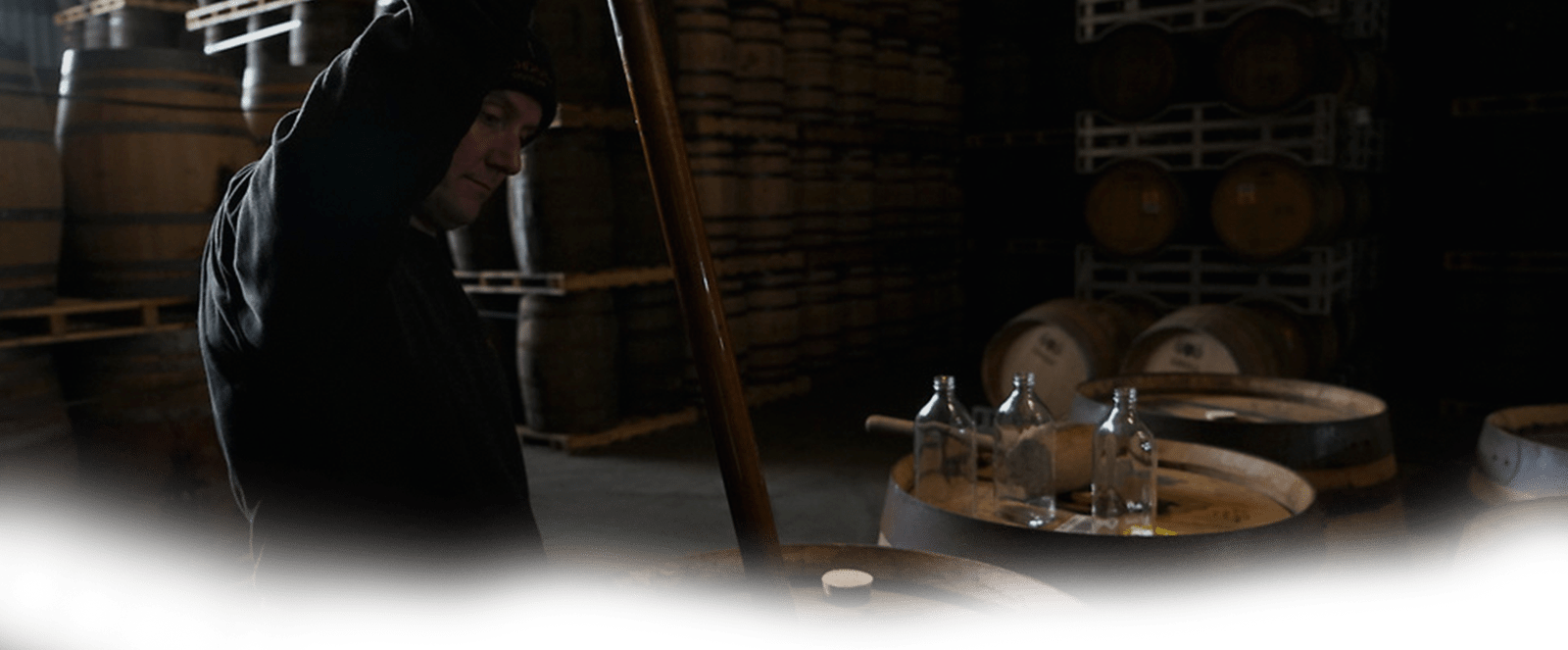
22.11.21 Whisky Production
Sour Mash
Sour mash or as it is often called in Scotland, ‘Back Set’ is where the pot ale or clarified spent wash is used as part of the mashing liquid. It is often incorrectly stated that this is where the yeast comes from, no, the yeast is all dead by that stage. A similar process is sometimes used in rum production.
The practice of sour mash was apparently developed in the first half of the 19th century by James C Crow, who studied but did not graduate from University of Edinburgh. He is often referred to as Dr Crow, but he may never have earned that title in his life time. It is more likely that he simply perfected the process by taking a more scientific approach and understanding to what was already a common practice. As a distiller the good Doctor was faced with a number of problems, namely the water was at the wrong pH, the fermentations were poor, high levels of bacterial infection, and the product was inconsistent.
He used his scientific training and experimented with a number of things, some of which resulted in the sour mash process used today. The pot ale has a low pH while his mash had too high a pH, so by putting some of the low pH pot ale into the mash, the pH moved into the correct zone for the enzymes in the malted grain and the yeast to work better. Also, the pot ale has a lot of yeast nutrients present so the yeast worked even better. As a result of these modification the spirit yield at the distilleries he worked at increased significantly.
The word sour is not a reflection on the taste of the spirit but the sour taste of the low pH pot ale. The water supply to most Scottish malt distilleries is already at the correct pH and for that reason the practice is not normally carried out here.
Dr Crow is only remembered for his sour mash process, but he also introduced good distilling practice, process hygiene and brought scientific rigor to the whisky production process. Process hygiene is even more important in the warm climate of Kentucky. All of which improved the process and helped to maintain a consistent product.
Changing the mash pH changes how the yeast works, which results in a different flavour profile of the spirit. The esterification works better in a more acid environment, so we get more esters.
Here at InchDairnie we have made some spirit using the sour mash process. We have replaced some of our mashing in water with some fresh pot ale drawn off direct from the wash still into our mash conversion vessel. The bench top experiments carried out with our good Fife friends at Tatlock and Thomson showed the extent the pH would reduce while the wash ferments. Armed with this information we, along with our yeast supplier AB Biotek, selected a yeast variety that would tolerate this low pH and still keep fermenting. The resulting fermented was distilled in our wash and spirit stills. The spirit is now maturing in ex bourbon casks.
The resulting spirit flavour was more floral and fruitier but some of the background complexity was lost as compared to our Strathenry new make spirit.
For a more detailed history of Doctor Jim Crow look out for the writings of Chris Middleton, www.thewhiskeywash.com
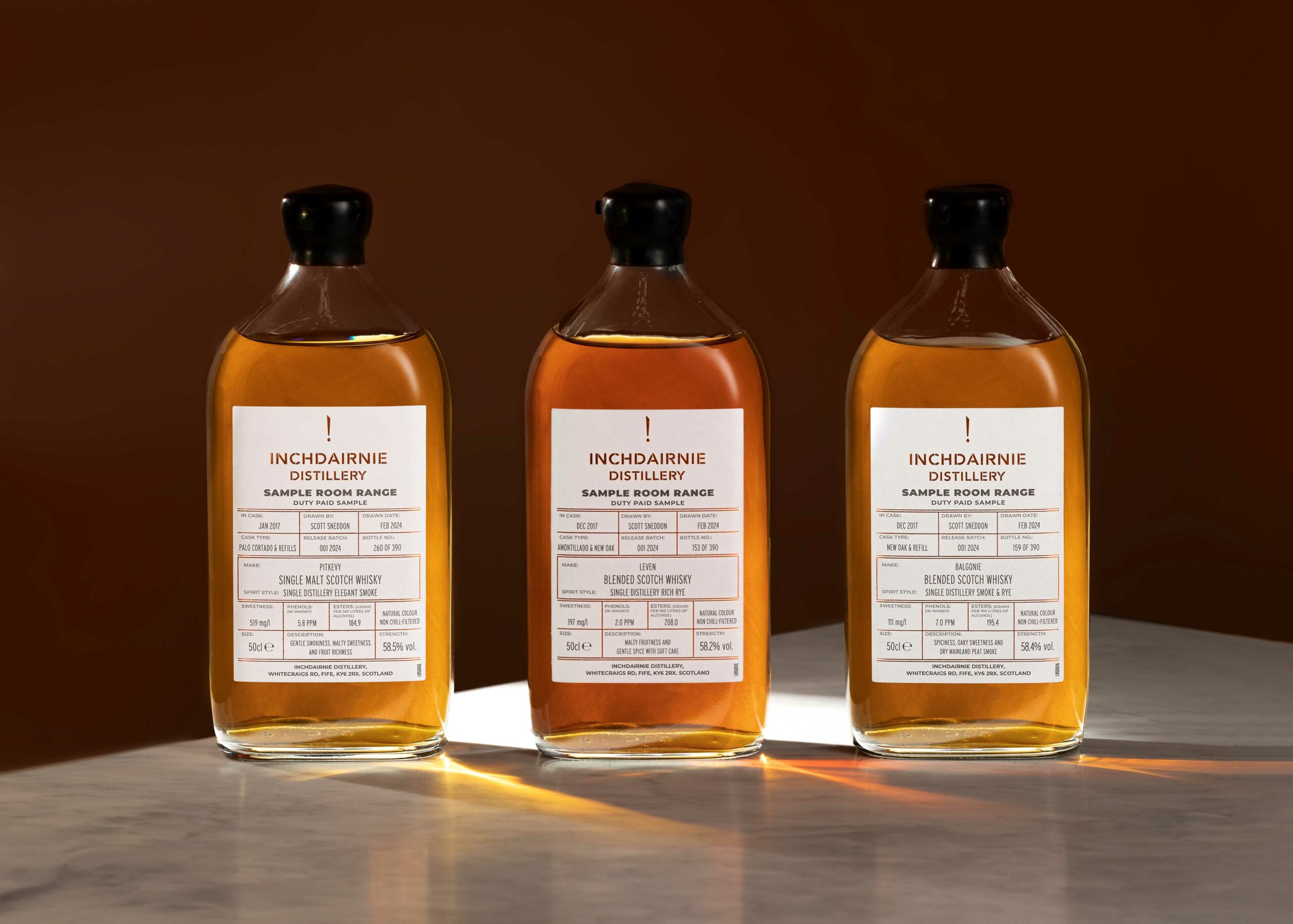

Introducing the Sample Room Range, Launching Exclusively with the Whisky Shop
Our innovative approach to flavour continues with the launch of our small-batch trilogy series, the Sample Room Range, available exclusively on launch from the Whisky Shop.

InchDairnie Wins Best Bottle Design at the World Whiskies Awards
InchDairnie Distillery Appoints New UK Distributor, Disaronno International UK Ltd.
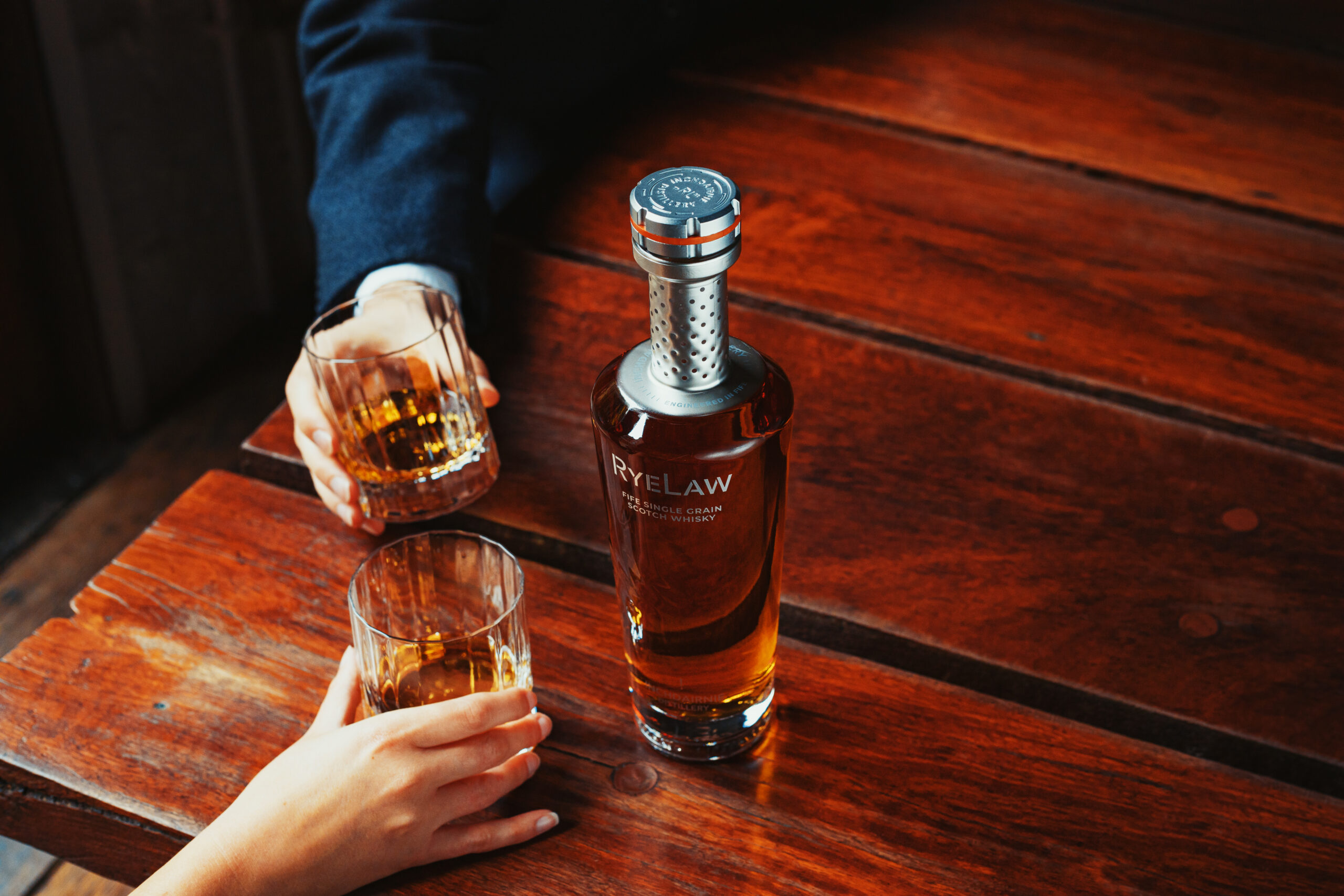
RyeLaw has launched in Travel Retail
InchDairnie Distillery is proud to announce its partnership with Gebr. Heinemann for the European expansion into Travel Retail for our first release, RyeLaw Fife Single Grain Scotch Whisky, now available at Copenhagen, Frankfurt and Vienna airport.
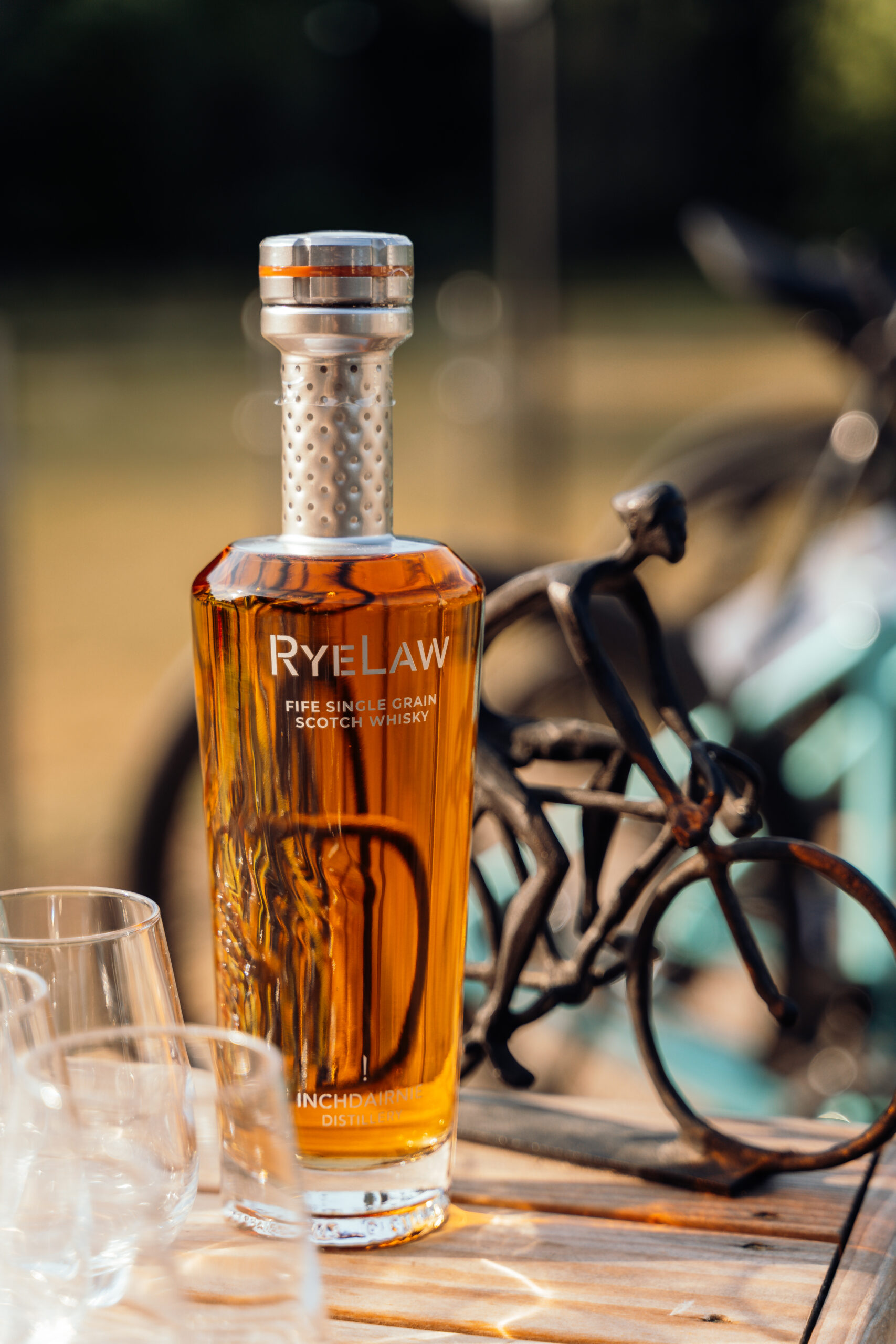
Our Luxury Partnership with LeBlanq – 2023 Highlights
In early 2023, we announced our partnership with luxury cycling tour specialist, LeBlanq as their official Global Whisky Partner for 2023/24. LeBlanq believe in rewarding life’s hard work with the ultimate escapism – indulgent weekends of eating and drinking all whilst joyriding in some of the world’s most beautiful cycling and culinary destinations.
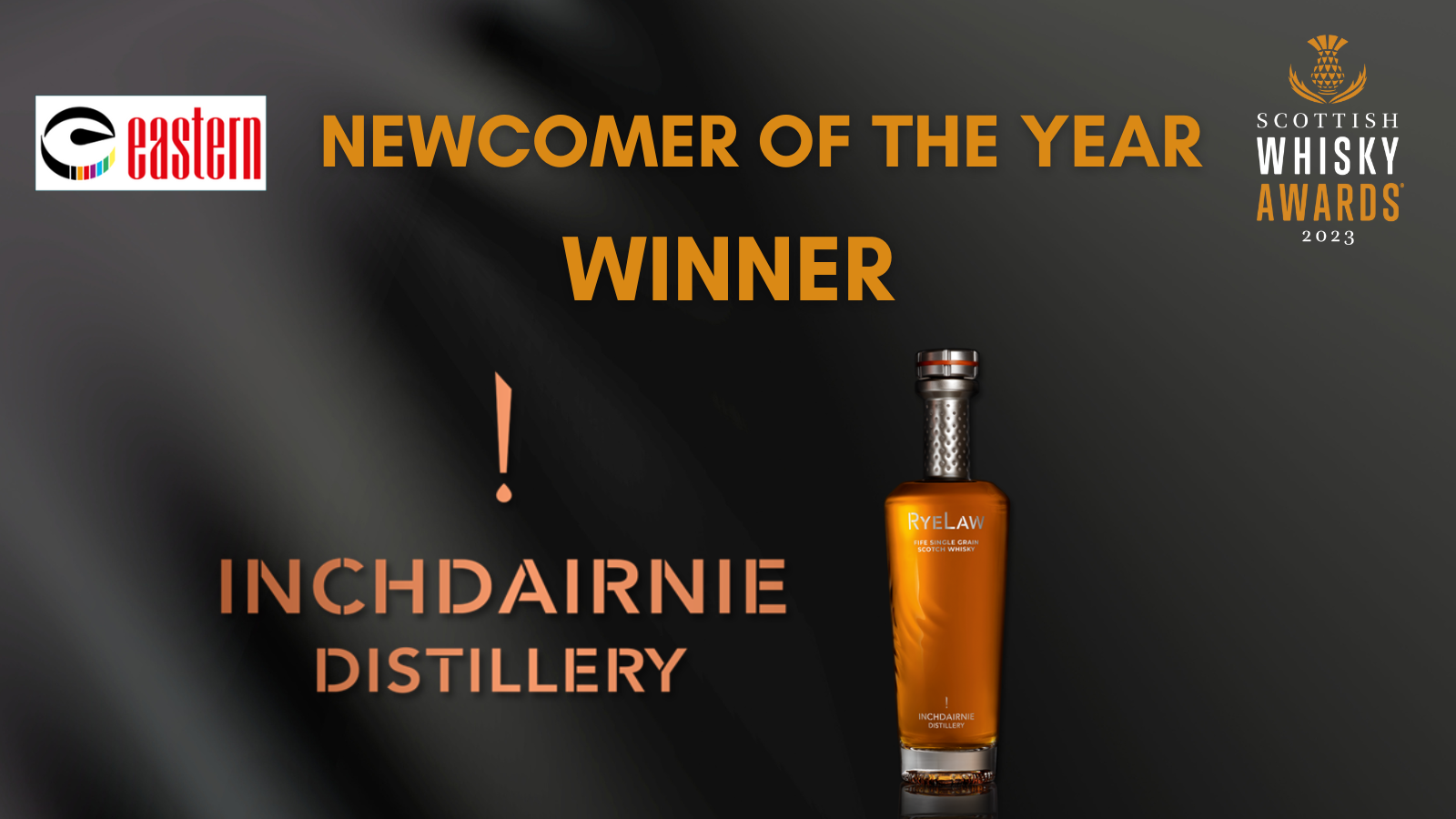
RyeLaw Wins Newcomer of the Year
RyeLaw wins Newcomer of the Year at the Scottish Whisky Awards 2023.
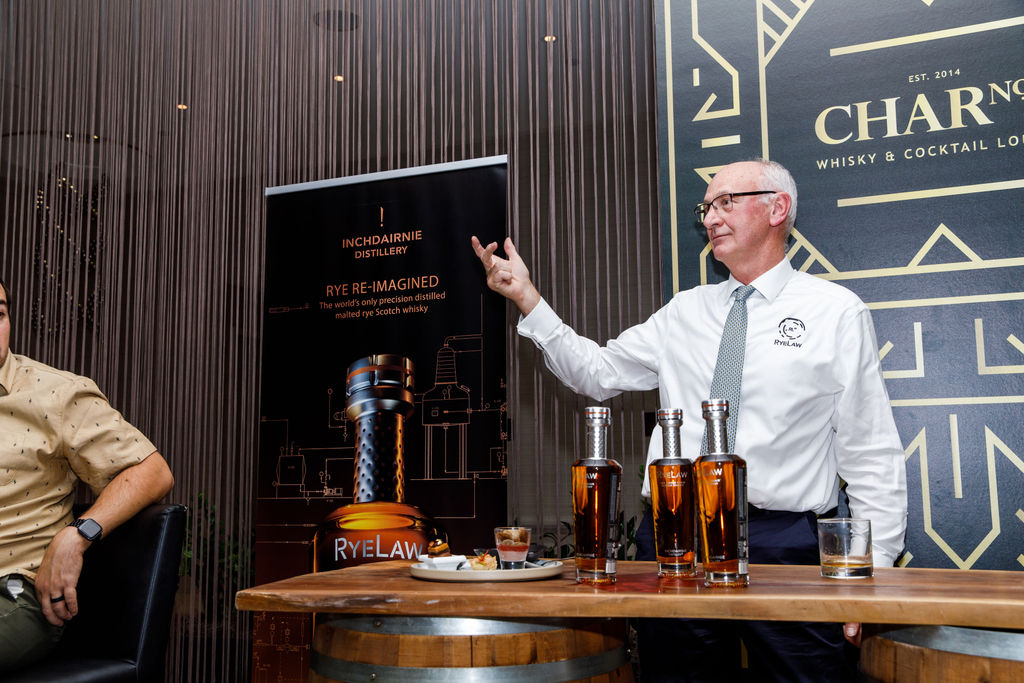
RyeLaw has Launched Coast to Coast in Canada
Our Managing Director Ian, has been on a whirlwind tour, launching our golden liquid across the stunning provinces of Canada.
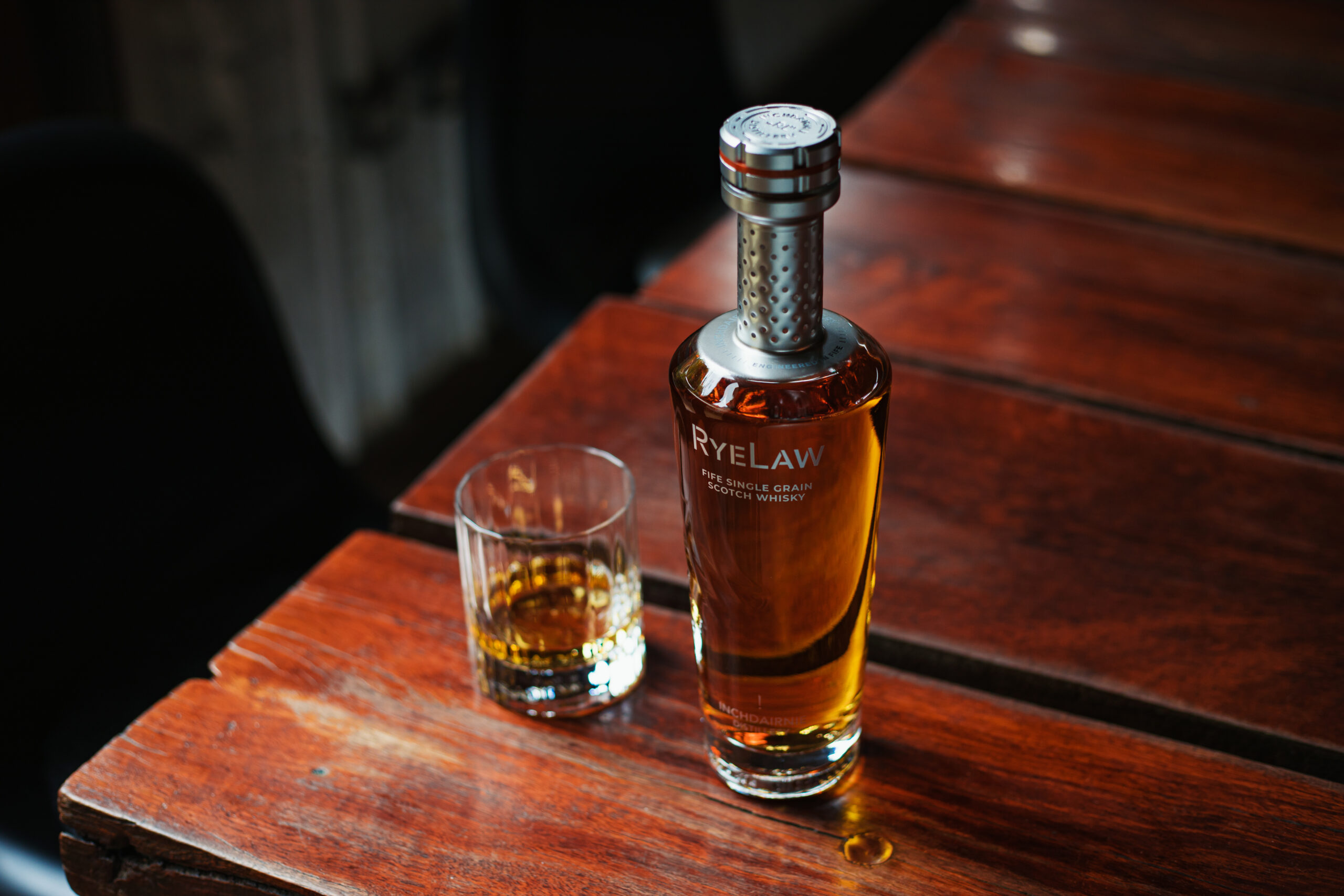
RyeLaw Has Launched In The Far East
The global roll out of our first brand, RyeLaw, continues with the launch in Taiwan and Japan. Both these countries are key markets in this important whisky region and we are delighted to be working with Union Liquor in Japan and Drinks, Wines and Spirits Co in Taiwan.
InchDairnie Distillery Commences ‘Pot Still’ Whisky Production and Breaks New Ground for Scotch Whisky Industry
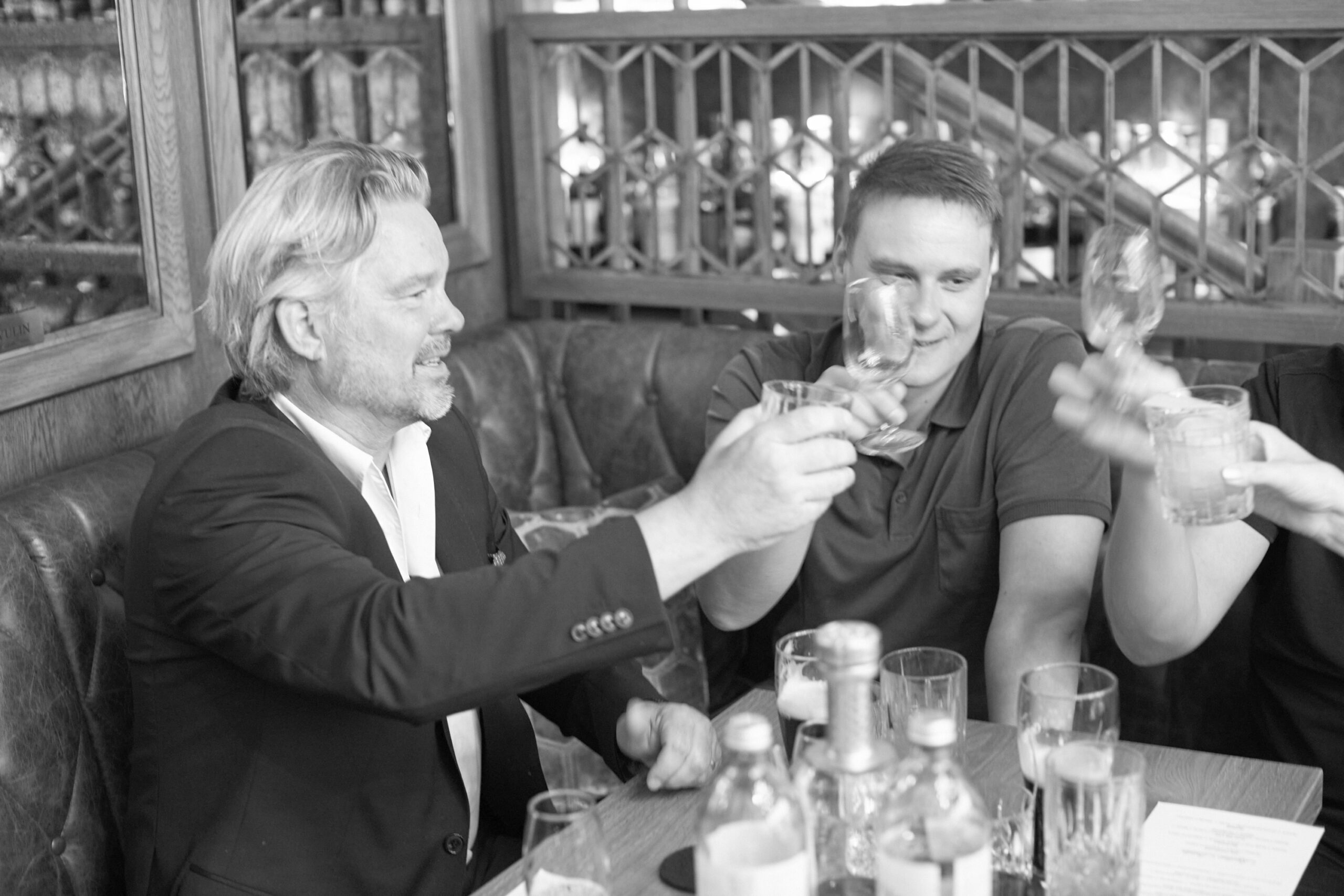
RyeLaw is Officially Launched in Germany
“A very special, extremely successful, innovative whiskey.” Joachim Teschke
The month of July saw our Managing Director, Ian Palmer, spend two fantastic days in Hamburg and Berlin, officially launching RyeLaw in Germany.